Focused arrival windows
Useful updates and clear arrival timing.
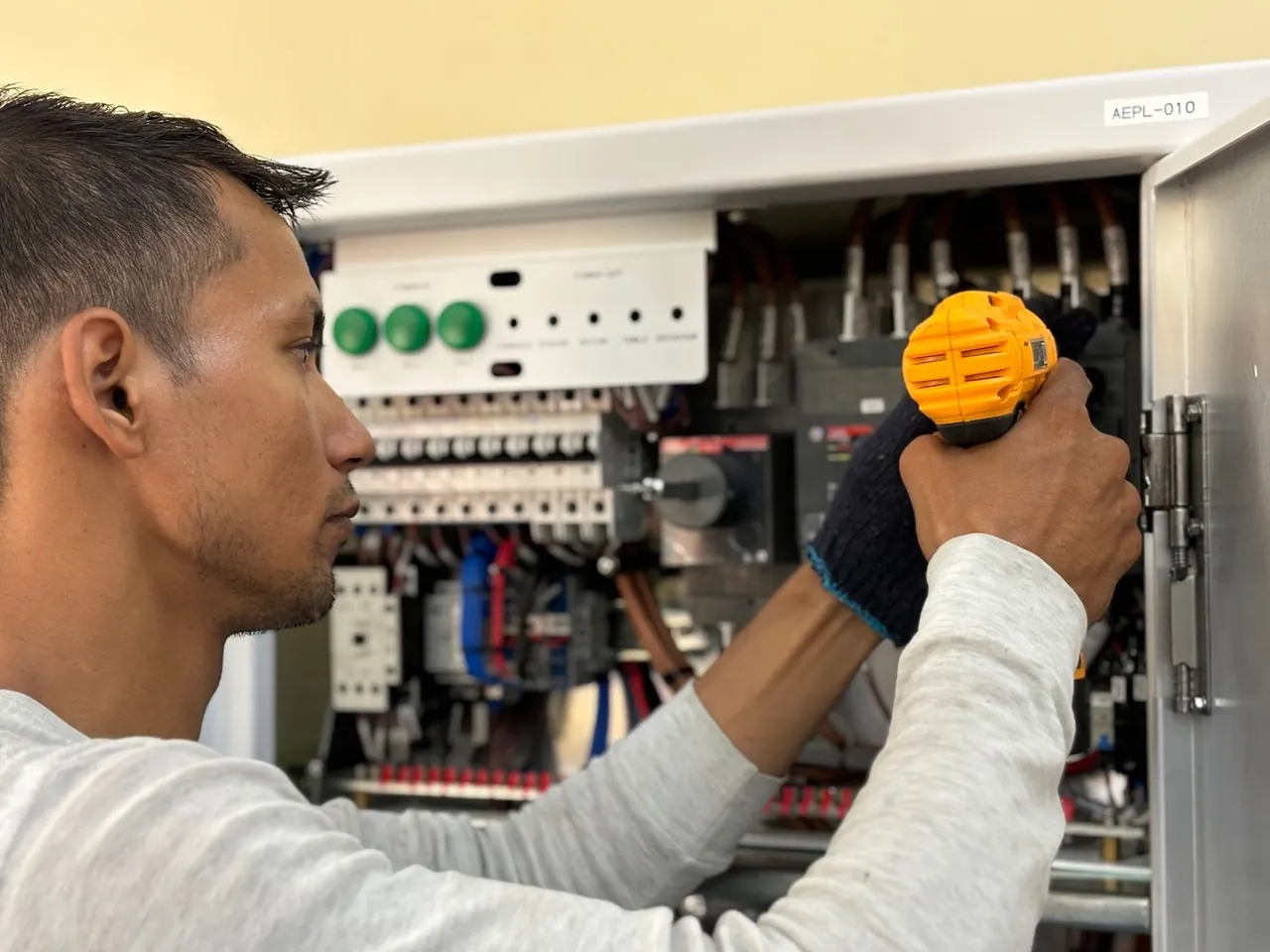
Generator Installation Trenton NJ ensures your home remains powered during outages. Our affordable generator services in Trenton cater to residential needs, providing peace of mind when the lights go out.
Useful updates and clear arrival timing.
Review the approach and price before deciding.
Equipped vehicles and respectful cleanup.
Neighbors serving neighbors with follow-through.
Our generator installation service covers everything from initial consultation to final testing. We ensure all aspects of the installation meet local codes and standards.
We evaluate your property to determine the best location for your generator, ensuring compliance with local regulations.
Our experts help you choose the right generator based on your power needs and budget, ensuring you get the best fit.
We handle all aspects of installation, including wiring the generator to your home's electrical system for seamless operation.
After installation, we test the system to ensure it operates correctly and provide training on its use and maintenance.
Generator Installation Trenton NJ is a specialized service that involves setting up backup power systems to ensure your home remains operational during power outages. This process includes selecting the right generator, proper placement, and connecting it to your home's electrical system.
Local Trenton customers often need generator installation due to frequent storms or power outages. Our Trenton generator contractor can help you choose the best generator installation in Trenton, ensuring your home is always powered.
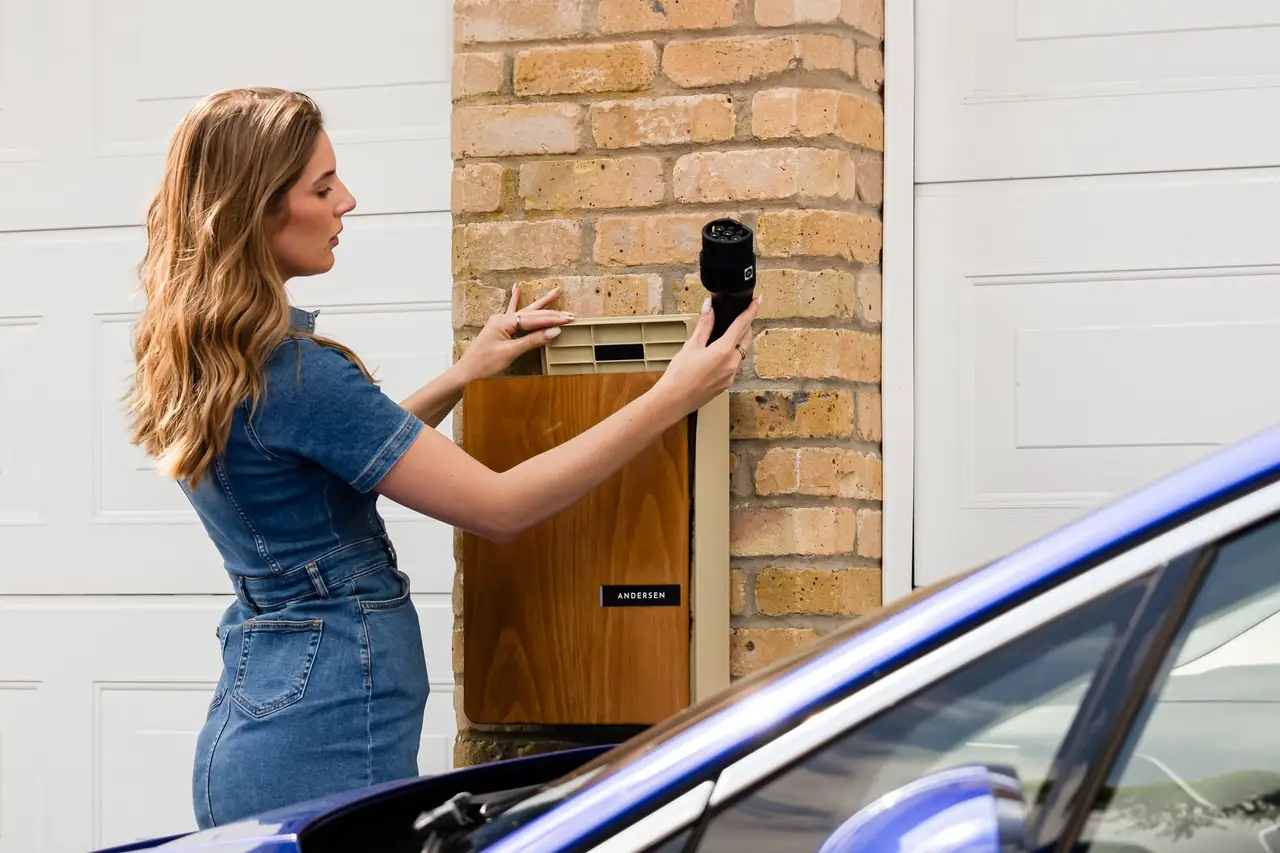
Our team evaluates your power needs and assesses your property to recommend the best generator solution. This step typically takes about an hour.
We help you choose the right generator based on your needs, budget, and space. Options include portable and standby generators from trusted brands like Generac and Kohler.
Our team prepares the installation site, ensuring compliance with local codes and safety standards. This includes clearing the area and laying the groundwork for installation.
The installation process usually takes 4-8 hours, depending on the complexity. Our licensed electricians will connect the generator to your home's electrical system, ensuring everything is code-compliant.
After installation, we conduct thorough testing to ensure the generator operates correctly. We also provide a demonstration on how to use and maintain your new system.
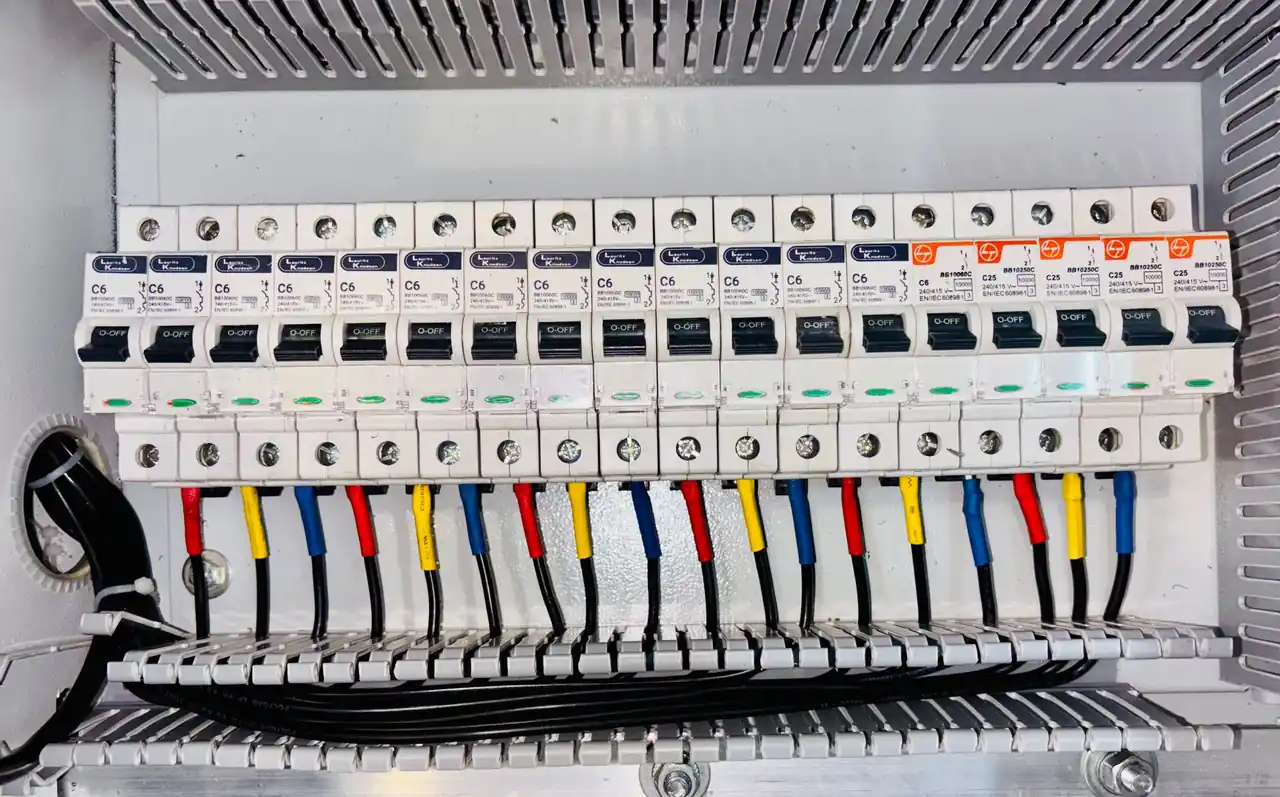
Installing a generator ensures your home stays powered during severe weather events, protecting your family and property. You can weather the storm with confidence, knowing you have a reliable power source.
A generator installation guarantees that essential medical devices remain operational during power failures. This ensures the safety and health of your loved ones who rely on medical equipment.
Integrating a generator into your renovation plans ensures your home is future-proofed against power outages. You can enjoy your newly renovated space without worrying about losing power.
In Trenton, generator installation must consider local weather patterns, building codes, and typical home layouts. Our team understands the unique challenges posed by New Jersey's climate, ensuring your generator is installed to withstand severe weather. We also comply with local regulations to ensure safety and reliability.
This neighborhood often experiences power outages during storms, making generator installation essential for residents.
The urban environment requires careful planning for generator placement to meet city codes.
Older homes may need additional electrical upgrades to support new generator installations.
These storms often lead to power outages, making a generator crucial for uninterrupted power.
Many homes in Trenton have outdated electrical systems, necessitating upgrades during generator installation.
Homeowners frequently experienced outages during summer storms, leading to spoiled food and disrupted routines.
After installation, families enjoyed uninterrupted power during storms, keeping their homes comfortable and safe.
Maintenance: Regular maintenance checks ensure the generator operates efficiently and is ready for use during outages.
Residents with medical needs faced risks when power outages occurred, jeopardizing their health.
Post-installation, essential devices remained functional, ensuring health and safety during outages.
Maintenance: Routine inspections help maintain the generator's performance and reliability.
Remote workers struggled to meet deadlines due to frequent power interruptions.
With a generator installed, they maintained productivity and met work commitments without interruption.
Maintenance: Regular servicing keeps the generator in top shape, ready for any situation.
Generator installation addresses several common issues homeowners face during power outages.
These outages can disrupt daily life and lead to food spoilage and loss of productivity. Our generator installation ensures your home remains powered, preventing disruptions and maintaining comfort during outages.
Without backup power, critical devices such as medical equipment may fail, posing risks to health. We provide tailored solutions that ensure your essential devices remain operational when you need them most.
Power loss can lead to missed deadlines and lost income for remote workers. A generator installation allows you to maintain productivity, ensuring your home office remains powered during outages.
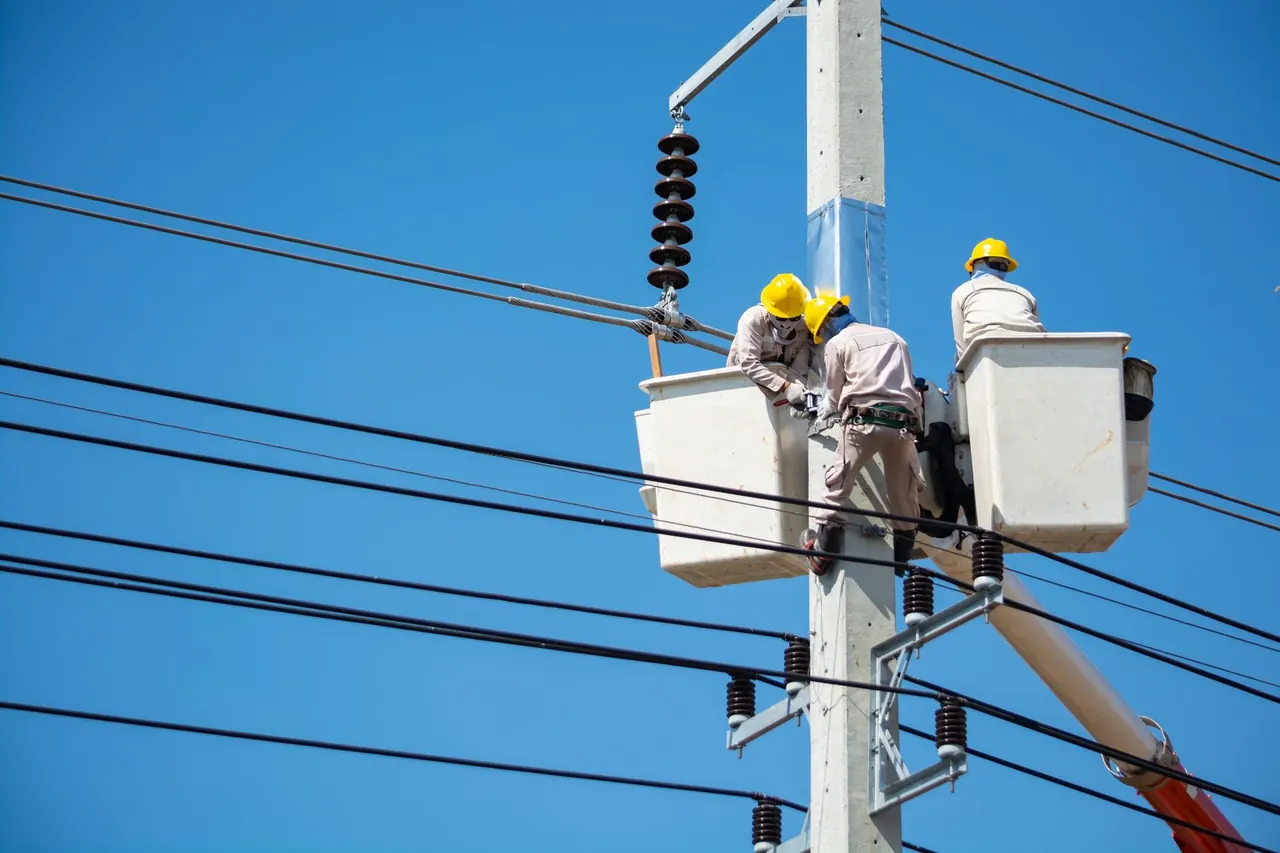
With over 5 years of experience in generator installation, our team is well-equipped to handle any project. We are licensed and insured, ensuring quality and safety.
A generator that is undersized will not carry what you need and one that is oversized wastes money and runs inefficiently. Sizing comes from your actual connected load.
A portable unit powers a few circuits through an interlock or manual transfer switch. A standby unit is permanently installed and starts automatically when utility power drops.
The ATS is what legally and safely separates your home from the grid during an outage. Backfeeding the utility without one endangers line workers and is a serious code violation.
Backing up a selected set of circuits is far cheaper than whole house coverage. Heat, refrigeration, a well pump, sump pump, and a few outlets covers most real needs.
Natural gas where the service exists, propane where it does not. Fuel line work is a separate trade and needs its own permit and coordination.
Manufacturer and code clearances from windows, doors, and vents govern where the unit can sit. On tight Trenton lots this is often the constraint.
Starting loads matter more than running loads. Motors on a well pump, a sump pump, or an air conditioner draw several times their running current at startup.
Most of what homeowners get wrong about electrical work in New Jersey comes down to three rules. They are worth knowing before you call anyone.
Under the New Jersey Uniform Construction Code, electrical permits are required for most installations, upgrades, and repairs. That covers new circuits, new wiring, new service equipment, adding outlets beyond a small count, and any change to service capacity. Like for like device swaps generally do not require one.
New Jersey lets a homeowner perform electrical work only in a single family, detached, owner occupied dwelling that they actually live in. Owners of condominiums, townhouses, duplexes, or any multi family building must hire a New Jersey licensed electrician. So must owners of rental property they do not occupy. Even where the exemption applies, the permit and the inspections still apply.
When a contractor performs the work, the licensed electrical contractor is responsible for the permit. Any arrangement where you sign as the homeowner while an unlicensed person does the work is a violation, not a shortcut.
Current code requires arc fault circuit interrupter protection on most habitable room circuits and ground fault protection in kitchens, bathrooms, basements, garages, laundry areas, and outdoors. Older homes will not have either. Adding them is often the cheapest safety improvement available.
Federal Pacific Electric Stab-Lok and Zinsco panels were installed throughout New Jersey from the 1950s into the 1980s. Both have documented histories of breakers failing to trip under fault conditions. Many insurance carriers now require replacement. If your panel carries either name, that is a replacement conversation regardless of how it looks.
A change to service capacity involves the meter and the service entrance, which means coordinating a disconnect and reconnect with the electric utility. That scheduling, not the panel work itself, is usually what sets the timeline on a service upgrade.
We would rather you check than take our word for it. Here is exactly what to ask for, from us or from any electrician bidding on your job.
New Jersey electrical contractor licenses are issued by the Board of Examiners of Electrical Contractors under the Division of Consumer Affairs. Ask for the number and verify it through their public lookup before any work starts.
A journeyman electrician can perform the work but cannot pull permits or contract for a business. Only a licensed electrical contractor can. If the person quoting you cannot pull the permit, that is a problem.
New Jersey requires licensed electrical contractors to carry liability insurance and a surety bond. Ask for a certificate of insurance listing you or the property as a certificate holder.
If the job involves new circuits, new wiring, or a change to service capacity, it needs a permit under the New Jersey Uniform Construction Code. A contractor telling you otherwise on that kind of work is the clearest warning sign there is.
A written scope naming the work, the materials, the permit fees, and the total is standard. Verbal estimates that change once the wall is open are not.
Permitted work gets a rough inspection and a final inspection. Ask who schedules them, who meets the inspector, and what the certificate of approval covers.
Describe the job and we will give you a scope and a number before anyone is dispatched. Permits and inspections included where the work requires them.
Open 24 hours, 7 days a week. Permits pulled and inspections scheduled where the work requires them.
Generator installation in Trenton involves site assessment, selecting the right generator, installation, and testing. Typically, it takes 4-8 hours.
In 2026, the cost for generator installation in Trenton ranges from $2,500 to $5,000, depending on the generator type and installation complexity.
Yes, we offer 24/7 generator installation services in Trenton, ensuring you have reliable power solutions whenever you need them.
To find a good electrician for generator installation in Trenton, look for licensed professionals with experience, positive reviews, and local expertise.
Not seeing your question? Our local team can help you understand urgency, scheduling and what to expect.
Ask the local team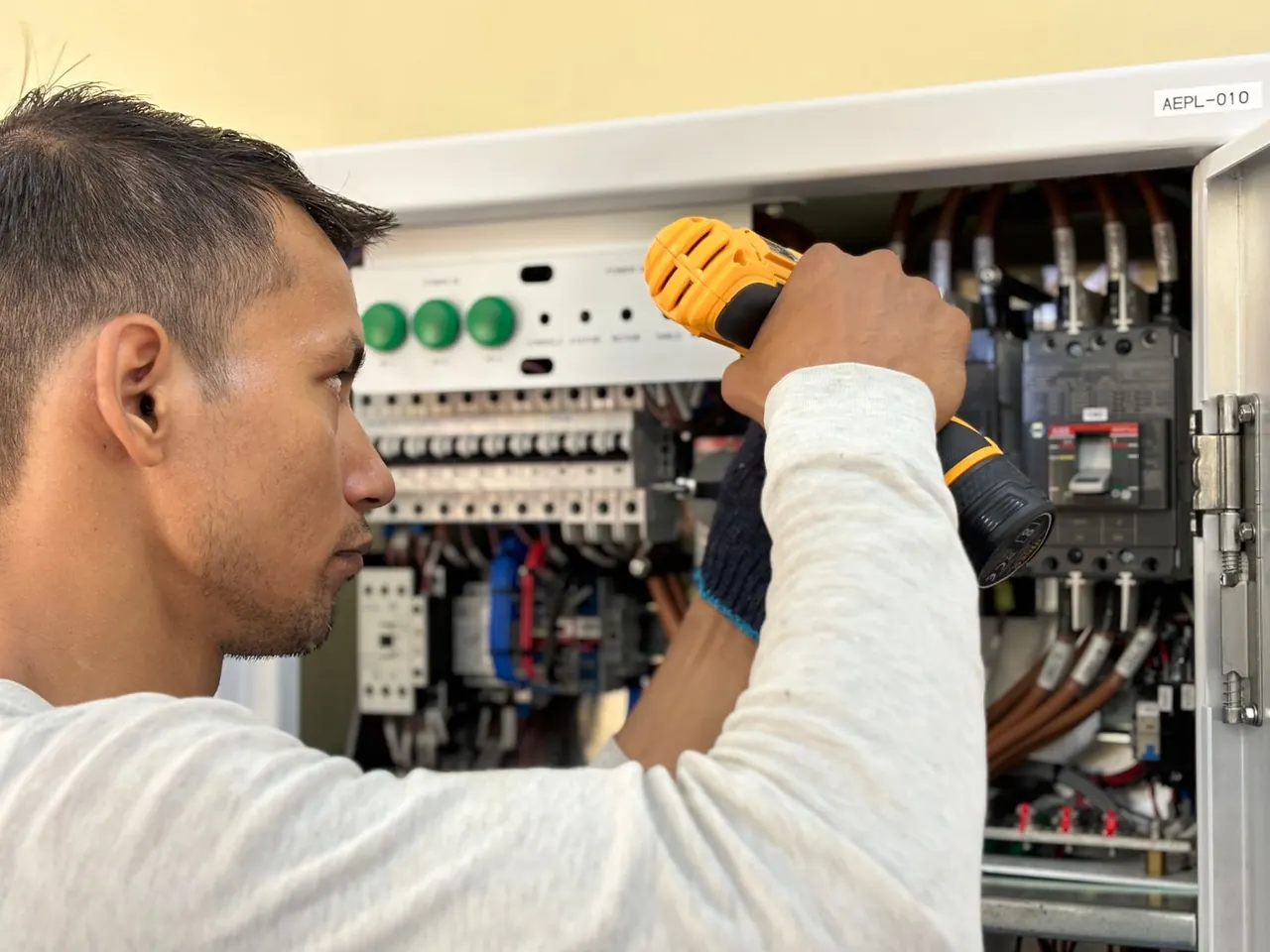
Our residential electrician services ensure your home's electrical systems are safe and efficient, complementing your generator installation.
View service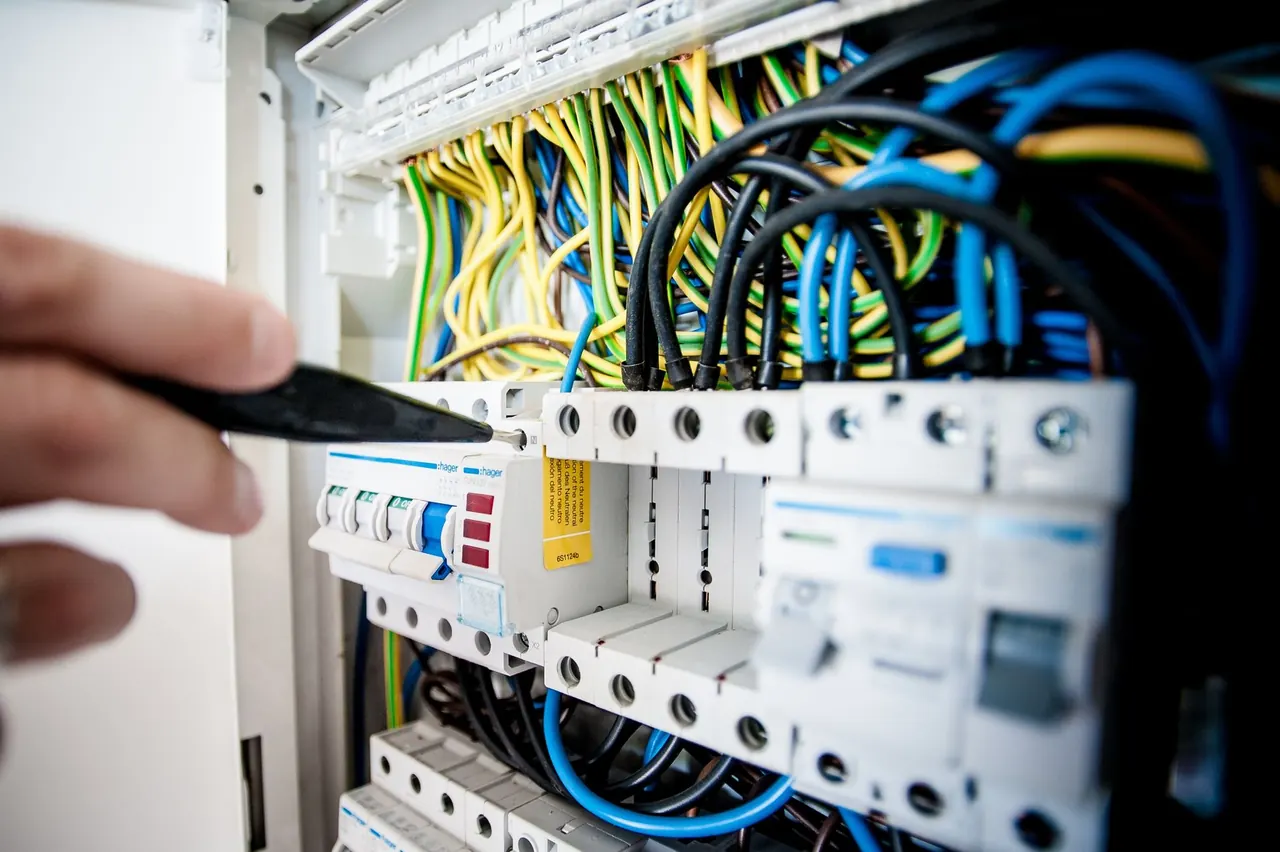
We provide commercial electrician services tailored for businesses, ensuring reliable electrical systems that work seamlessly with backup generators.
View service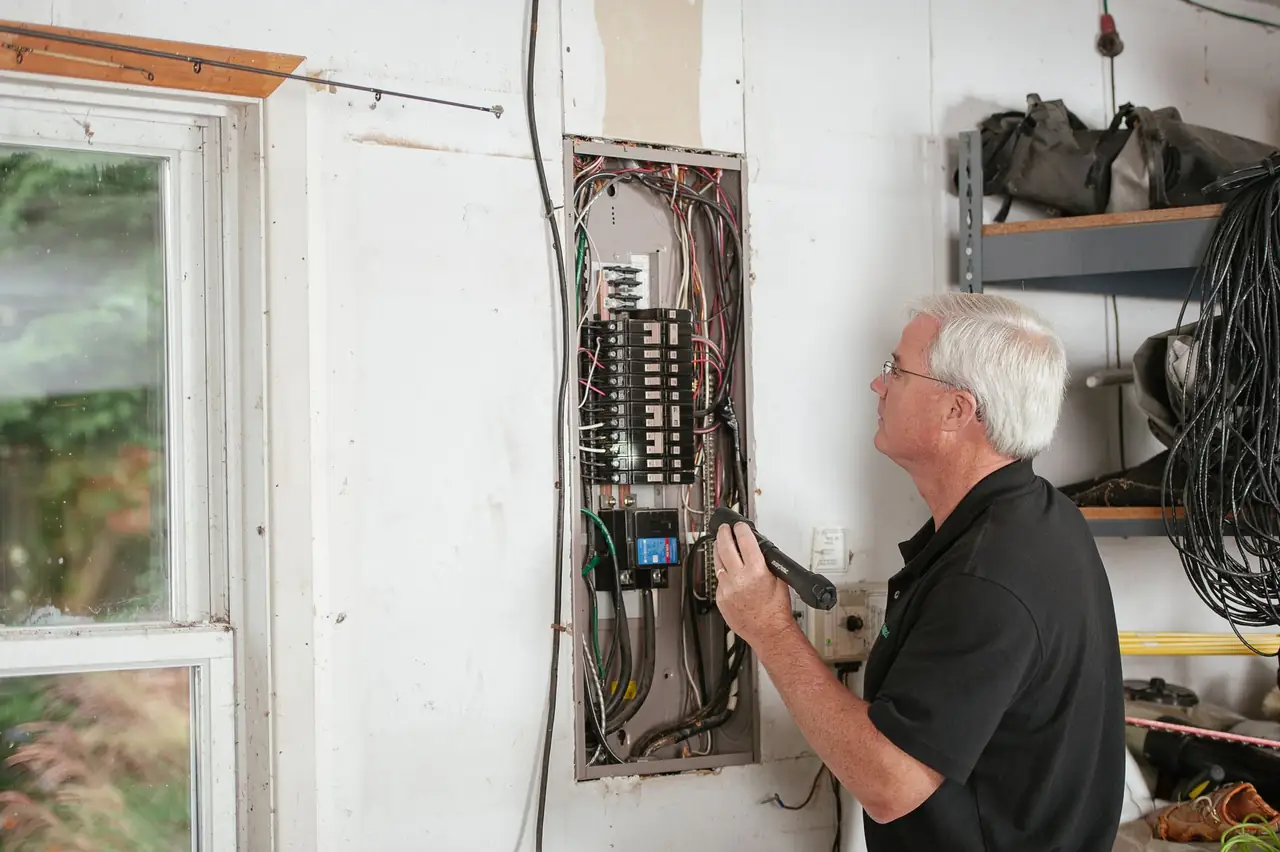
Upgrading your electrical panel is essential for supporting a new generator installation, ensuring your home can handle increased power demands.
View serviceReplacing outdated electrical panels is critical for safety and efficiency, especially when integrating a generator into your home's system.
View serviceWe invite you to reach out for any electrical needs you may have. Our team is available every day of the week, and we respond quickly to all inquiries.