Focused arrival windows
Useful updates and clear arrival timing.
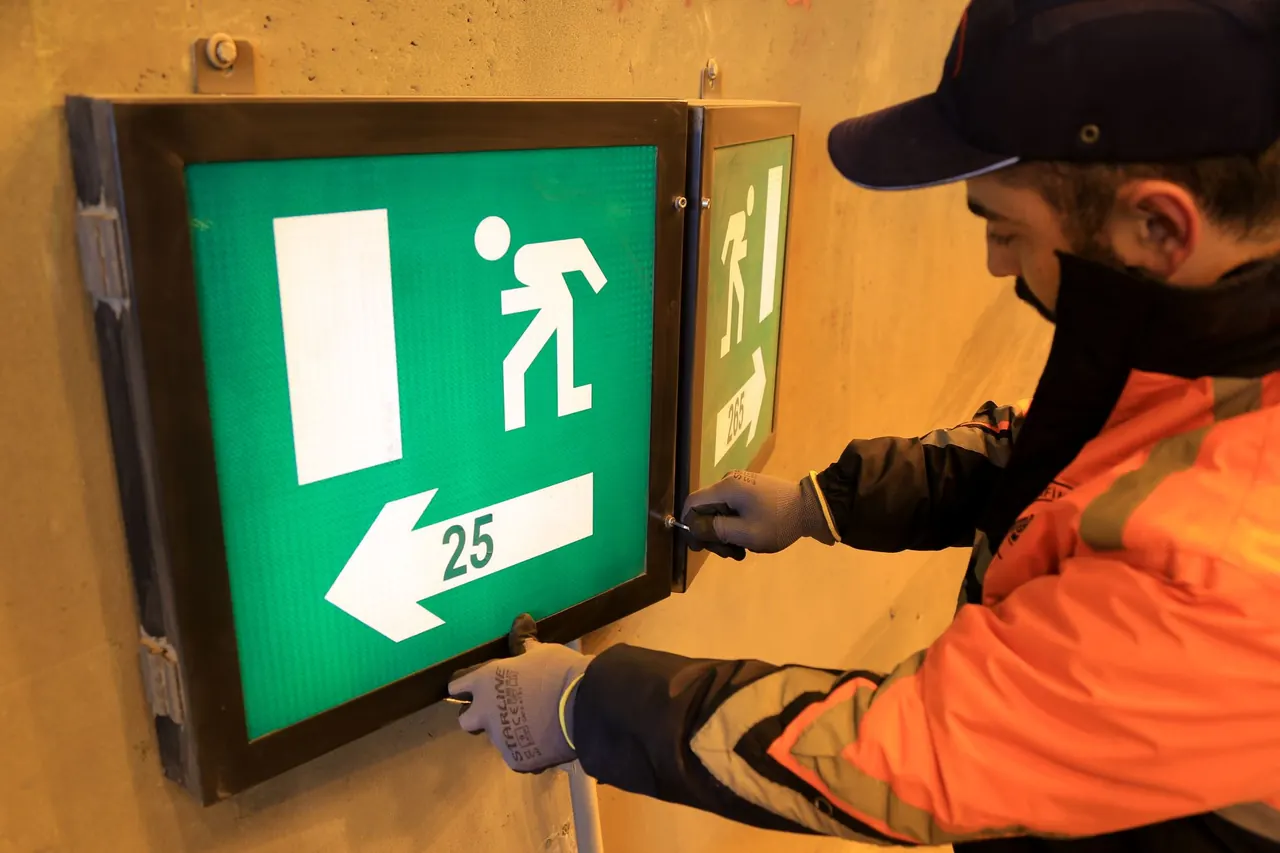
EV Charger Installation Trenton NJ is a crucial service for homeowners looking to power their electric vehicles efficiently. With the rise in electric vehicle ownership, having a home charger is more important than ever. Our team offers the best EV charger installation in Trenton to meet your needs.
Useful updates and clear arrival timing.
Review the approach and price before deciding.
Equipped vehicles and respectful cleanup.
Neighbors serving neighbors with follow-through.
Our EV charger installation service covers everything from assessment to final inspection, ensuring a complete and compliant setup.
We assess your home's electrical system to determine the best location for the charger and any necessary upgrades.
Installation of the charger includes all necessary wiring, circuit breakers, and compliance with NEC codes.
After installation, we conduct a thorough inspection to ensure everything is functioning properly and up to code.
We provide detailed instructions on how to use and maintain your new EV charger for optimal performance.
EV Charger Installation Trenton NJ is the process of setting up an electric vehicle charging station at your home or business. This installation involves connecting the charger to your electrical system, ensuring it meets local codes and standards. It typically requires specialized tools and knowledge of electrical systems to ensure safety and efficiency.
Local Trenton customers need EV charger installation due to the increasing number of electric vehicles on the road. With more residents choosing electric cars, the demand for home charging solutions has surged. Our Trenton EV charger contractor can provide affordable EV charger services Trenton residents can trust, ensuring you have a reliable power source for your vehicle.
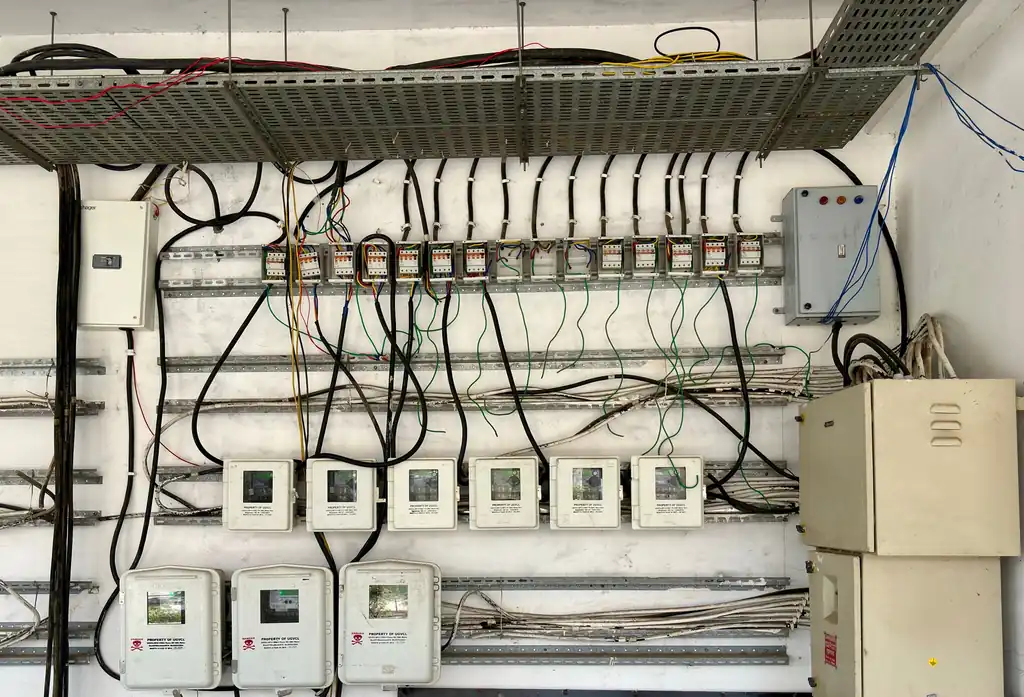
We start with a consultation to assess your needs and determine the best location for your EV charger. This step typically takes about 30 minutes.
Next, our team conducts a site assessment to evaluate your electrical system and ensure it can support the new charger. This may involve checking your circuit breakers and panel.
We develop a detailed plan for the installation, including the type of charger to be used, placement, and any necessary upgrades to your electrical system.
Our licensed electrician will install the EV charger, ensuring compliance with NEC codes and local regulations. This process typically takes 2-4 hours.
After installation, we conduct a final inspection to ensure everything is functioning correctly and safely. We'll also provide you with operational instructions.
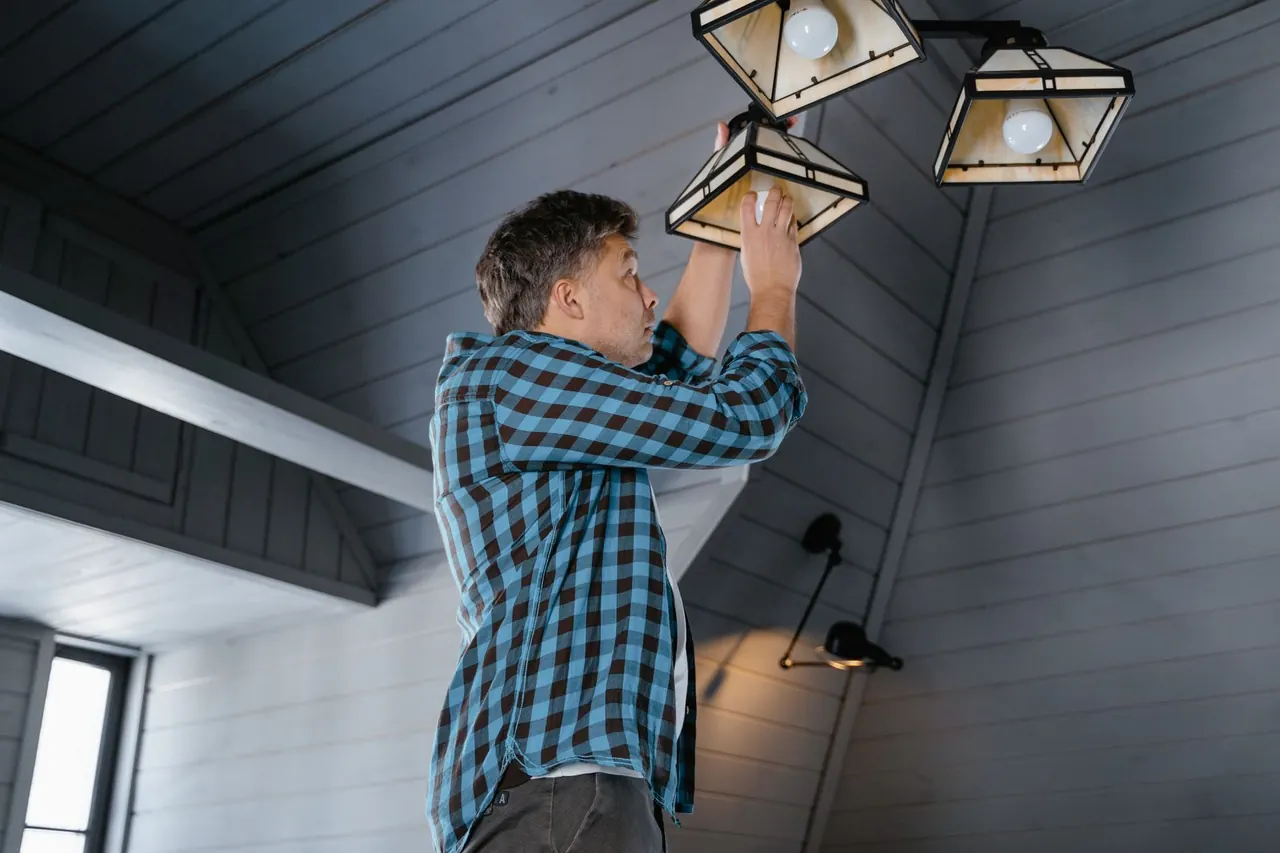
Used to measure voltage and ensure safe electrical connections during installation.
Essential for preparing electrical wires for connections, ensuring a secure fit.
Checks the integrity of the electrical circuit before and after installation.
Used to confirm that the electrical supply is safe and functioning correctly.
We follow the National Electrical Code (NEC) to ensure all installations meet safety standards.
We perform load calculations to ensure your electrical system can handle the additional demand from the EV charger.
After installation, we conduct thorough testing to verify that everything operates correctly and safely.
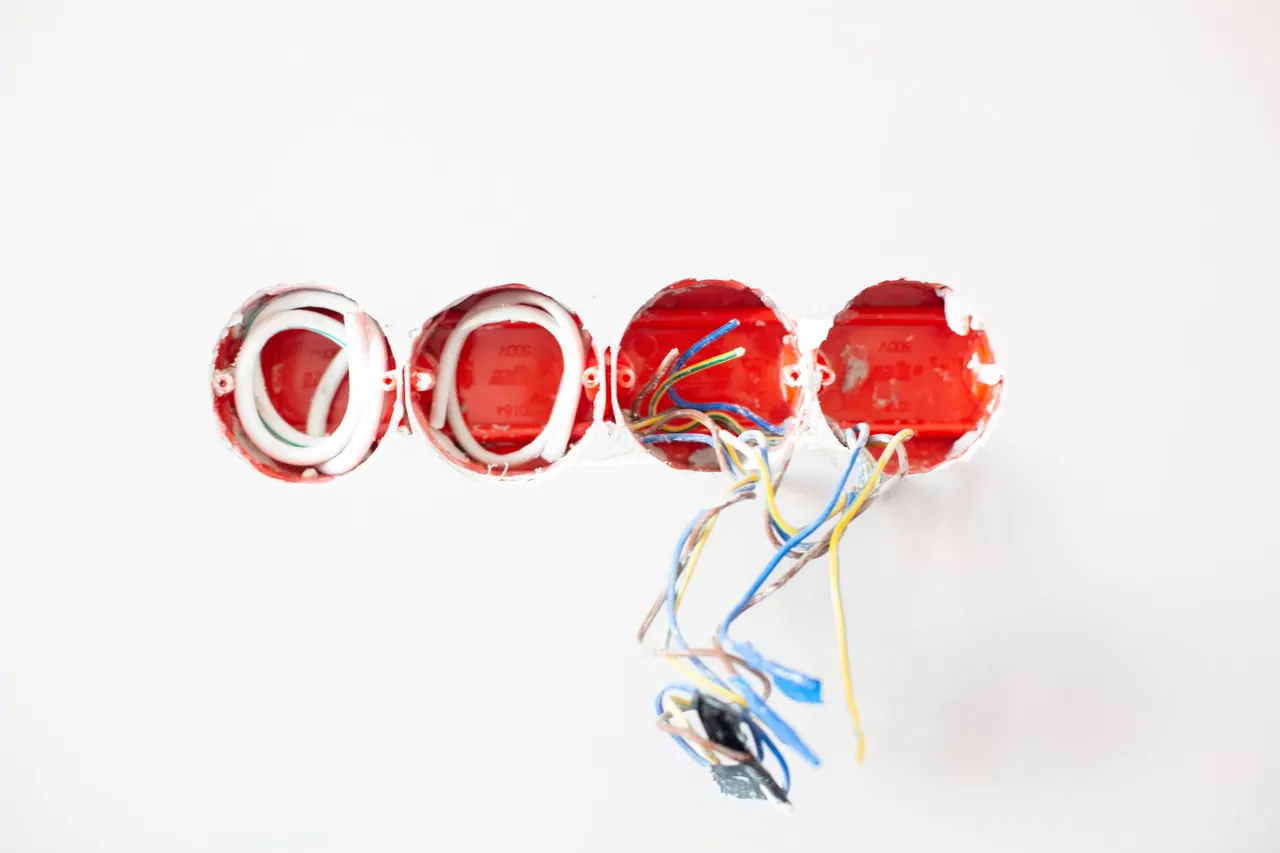
We install a dedicated EV charger to ensure you can charge your vehicle conveniently overnight. You'll start each day with a fully charged vehicle, ready for the road.
Installing a charger before your purchase ensures you're ready for your new vehicle. You can enjoy your new electric car without worrying about charging availability.
We can install multiple chargers to accommodate your household's needs. Everyone in the family can charge their vehicle without hassle.
In Trenton, EV charger installation must comply with local building codes and standards. The climate and building stock can affect installation methods, particularly in older homes that may require electrical upgrades. Our Trenton NJ EV charger solutions are tailored to meet these specific needs, ensuring safety and efficiency.
Homes in this area often require inspections to meet local codes for electrical upgrades.
Mill Hill's historic homes may need special considerations during installation.
High-density areas like Downtown require efficient installation methods due to space constraints.
We assess and upgrade these systems to ensure safe and efficient charging.
We plan installations to accommodate weather conditions, ensuring quality work year-round.
Installing an EV charger can resolve several common issues faced by electric vehicle owners in Trenton.
Relying on public charging stations can lead to long waits and inconvenience. With a home EV charger, you have reliable access to charging whenever you need it, eliminating wait times.
Older homes may not support the electrical load required for EV charging. Our team assesses and upgrades your electrical system to ensure it can handle the demands of an EV charger.
Using public chargers can be more expensive than charging at home, leading to higher overall costs. A home EV charger allows you to take advantage of lower residential electricity rates, saving you money.
$500 - $1,200 depending on scope
The cost of EV charger installation in Trenton typically ranges from $500 to $1,200 in 2026. Factors influencing the price include the complexity of the installation and any necessary upgrades to your electrical system. Affordable EV charger services in Trenton can help you save money while ensuring a safe and compliant installation.
Investing in a home EV charger installation pays off with convenience and savings on charging costs.
Different charger models have varied costs, impacting the overall installation price.
If your home requires electrical upgrades, this will add to the installation cost.
Labor rates can vary based on the complexity of the installation and local market conditions.
The charger itself is the simple part. Whether your existing service can carry it, and what the permit requires, is where these jobs are actually decided.
Level 1 is a standard 120 volt outlet and adds a few miles of range per hour. Level 2 runs at 240 volts and is what almost everyone means by a home charger.
Most Level 2 units call for a 40 or 50 amp circuit. Because vehicle charging is a continuous load, the circuit is sized at 125 percent of the charger's rating.
This is the gate. A full 100 amp panel serving a house with central air and an electric dryer often cannot take a 50 amp continuous load without a service upgrade first.
Where a service upgrade is not practical, an energy management system that sheds charger load when other appliances run can sometimes make the install possible on existing service.
A hardwired unit is permanent and generally cleaner. A plug in unit on a NEMA 14-50 receptacle is portable but the receptacle itself must be rated for the duty cycle.
This is permitted work in New Jersey. The circuit, the disconnect, and the GFCI provisions all get inspected.
Most of what homeowners get wrong about electrical work in New Jersey comes down to three rules. They are worth knowing before you call anyone.
Under the New Jersey Uniform Construction Code, electrical permits are required for most installations, upgrades, and repairs. That covers new circuits, new wiring, new service equipment, adding outlets beyond a small count, and any change to service capacity. Like for like device swaps generally do not require one.
New Jersey lets a homeowner perform electrical work only in a single family, detached, owner occupied dwelling that they actually live in. Owners of condominiums, townhouses, duplexes, or any multi family building must hire a New Jersey licensed electrician. So must owners of rental property they do not occupy. Even where the exemption applies, the permit and the inspections still apply.
When a contractor performs the work, the licensed electrical contractor is responsible for the permit. Any arrangement where you sign as the homeowner while an unlicensed person does the work is a violation, not a shortcut.
Current code requires arc fault circuit interrupter protection on most habitable room circuits and ground fault protection in kitchens, bathrooms, basements, garages, laundry areas, and outdoors. Older homes will not have either. Adding them is often the cheapest safety improvement available.
Federal Pacific Electric Stab-Lok and Zinsco panels were installed throughout New Jersey from the 1950s into the 1980s. Both have documented histories of breakers failing to trip under fault conditions. Many insurance carriers now require replacement. If your panel carries either name, that is a replacement conversation regardless of how it looks.
A change to service capacity involves the meter and the service entrance, which means coordinating a disconnect and reconnect with the electric utility. That scheduling, not the panel work itself, is usually what sets the timeline on a service upgrade.
We would rather you check than take our word for it. Here is exactly what to ask for, from us or from any electrician bidding on your job.
New Jersey electrical contractor licenses are issued by the Board of Examiners of Electrical Contractors under the Division of Consumer Affairs. Ask for the number and verify it through their public lookup before any work starts.
A journeyman electrician can perform the work but cannot pull permits or contract for a business. Only a licensed electrical contractor can. If the person quoting you cannot pull the permit, that is a problem.
New Jersey requires licensed electrical contractors to carry liability insurance and a surety bond. Ask for a certificate of insurance listing you or the property as a certificate holder.
If the job involves new circuits, new wiring, or a change to service capacity, it needs a permit under the New Jersey Uniform Construction Code. A contractor telling you otherwise on that kind of work is the clearest warning sign there is.
A written scope naming the work, the materials, the permit fees, and the total is standard. Verbal estimates that change once the wall is open are not.
Permitted work gets a rough inspection and a final inspection. Ask who schedules them, who meets the inspector, and what the certificate of approval covers.
Describe the job and we will give you a scope and a number before anyone is dispatched. Permits and inspections included where the work requires them.
Open 24 hours, 7 days a week. Permits pulled and inspections scheduled where the work requires them.
EV charger installation in Trenton typically involves assessing your electrical system, installing the charger, and ensuring compliance with local codes. The entire process can take 2-4 hours.
Most EV charger installations in Trenton range from $500 to $1,200, depending on the complexity of the installation and any necessary electrical upgrades.
Yes, we offer 24/7 EV charger installation services in Trenton to accommodate your schedule and ensure you have access to charging whenever you need it.
Look for licensed electricians with experience in EV charger installation. Check reviews and ask for references to ensure quality service.
Not seeing your question? Our local team can help you understand urgency, scheduling and what to expect.
Ask the local team
Our residential electrician services ensure your home's electrical systems are safe and efficient, complementing your EV charger installation.
View service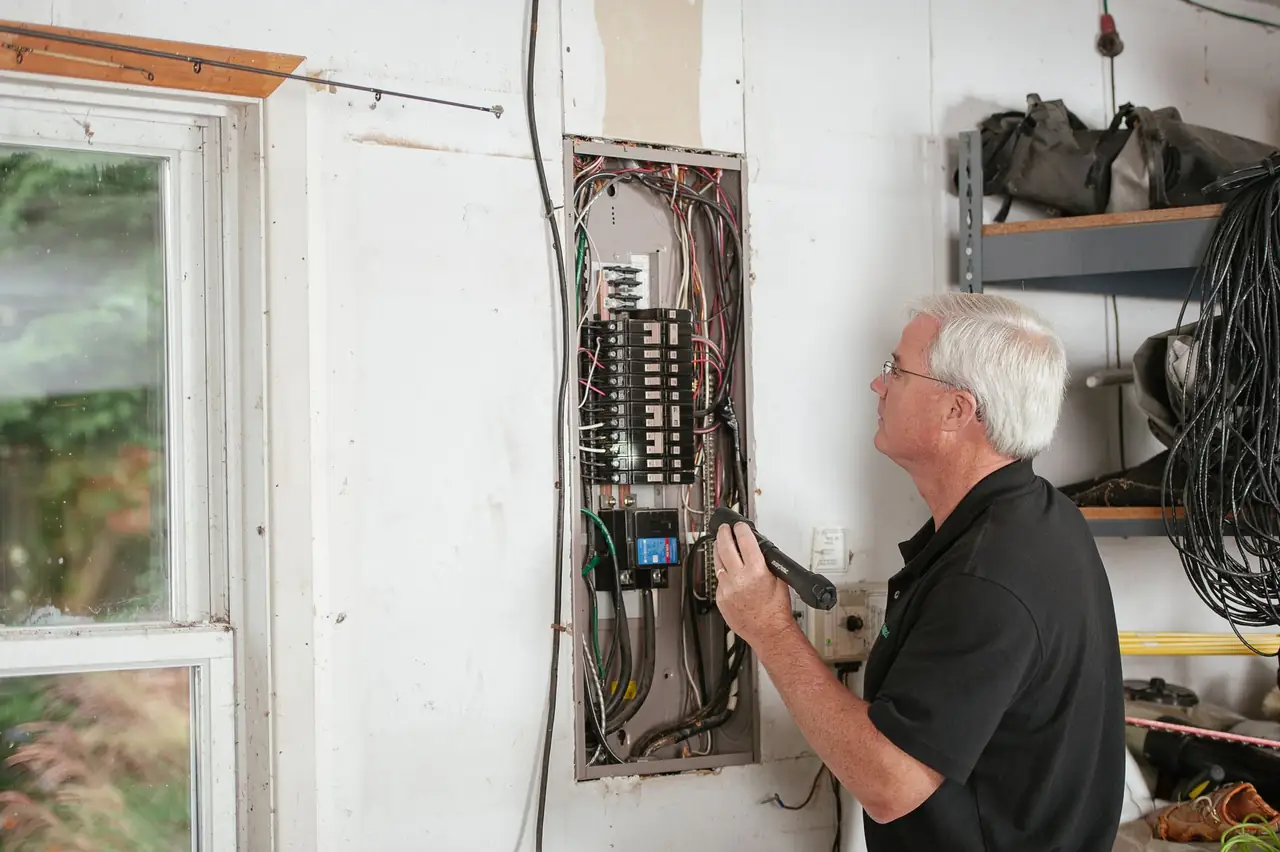
We provide commercial electrician services for businesses looking to install EV chargers, enhancing customer experience and sustainability.
View service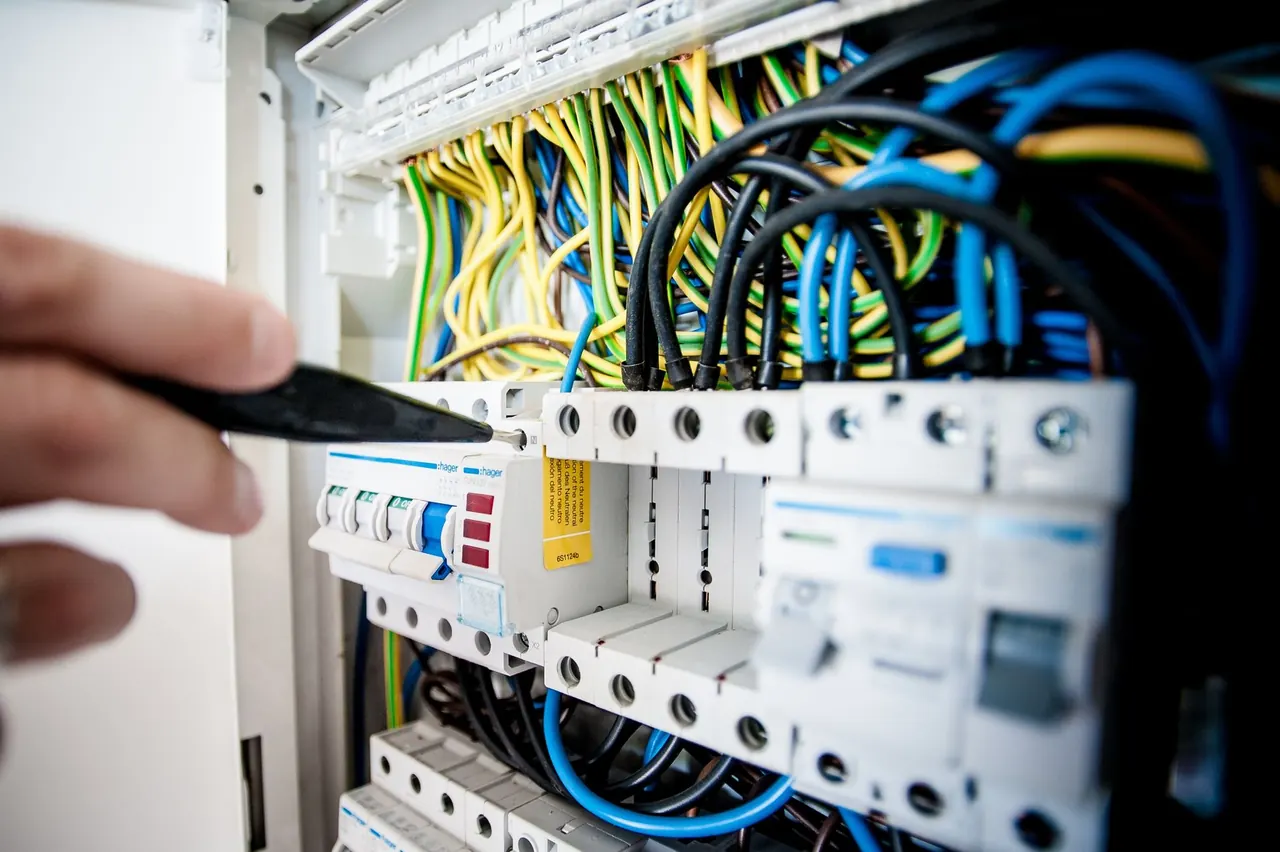
An electrical panel upgrade may be necessary for your EV charger installation, ensuring your system can handle the increased load.
View service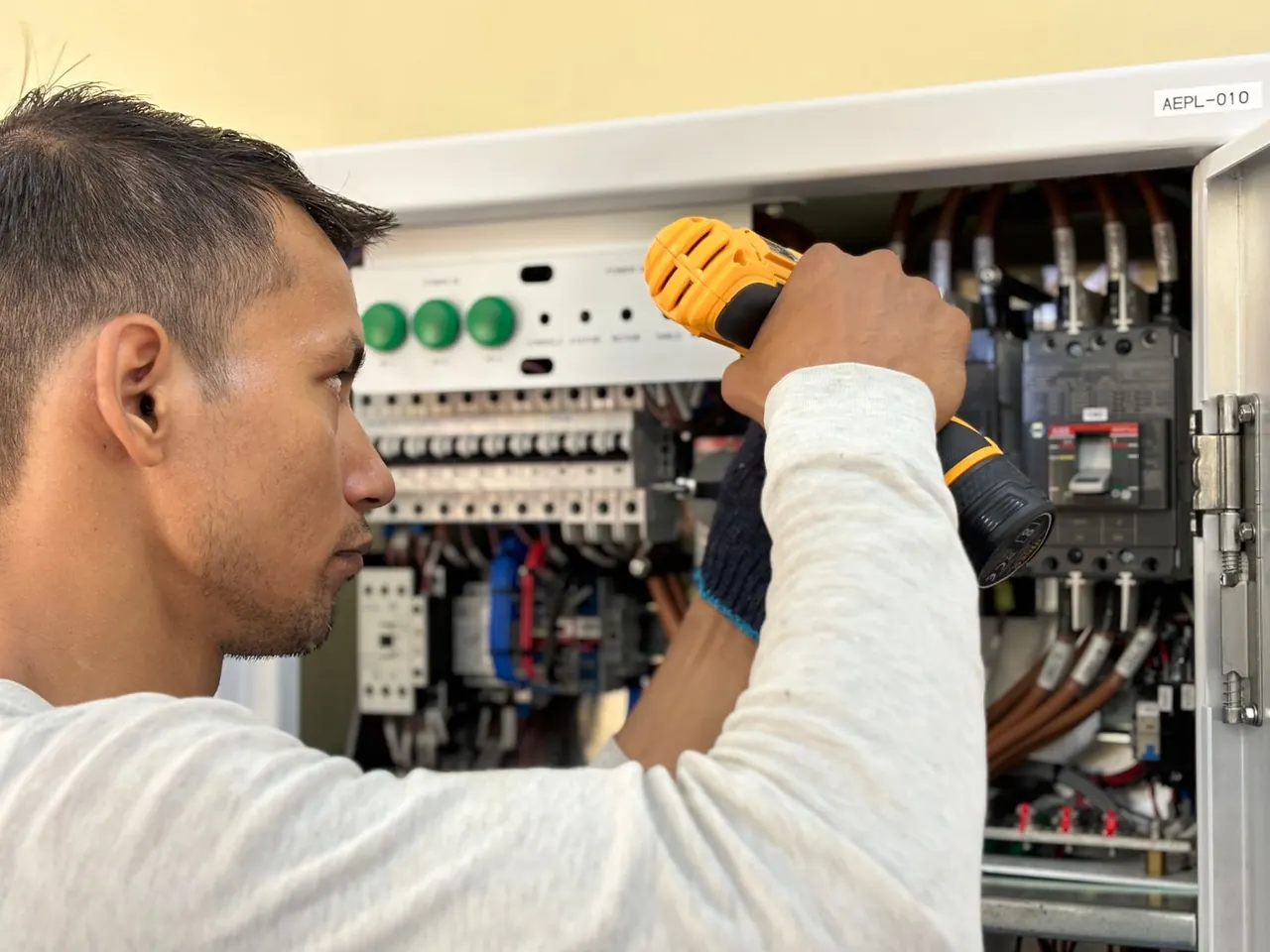
If your current panel is outdated, we offer replacement services to support your EV charger installation and future electrical needs.
View service
We invite you to reach out for any electrical needs you may have. Our team is available every day of the week, and we respond quickly to all inquiries.