Two Prong Outlets in Older Homes: Are They Legal and Should You Replace Them
Discover whether two prong outlets are legal in Trenton and if you should consider upgrading them for safety and compliance.
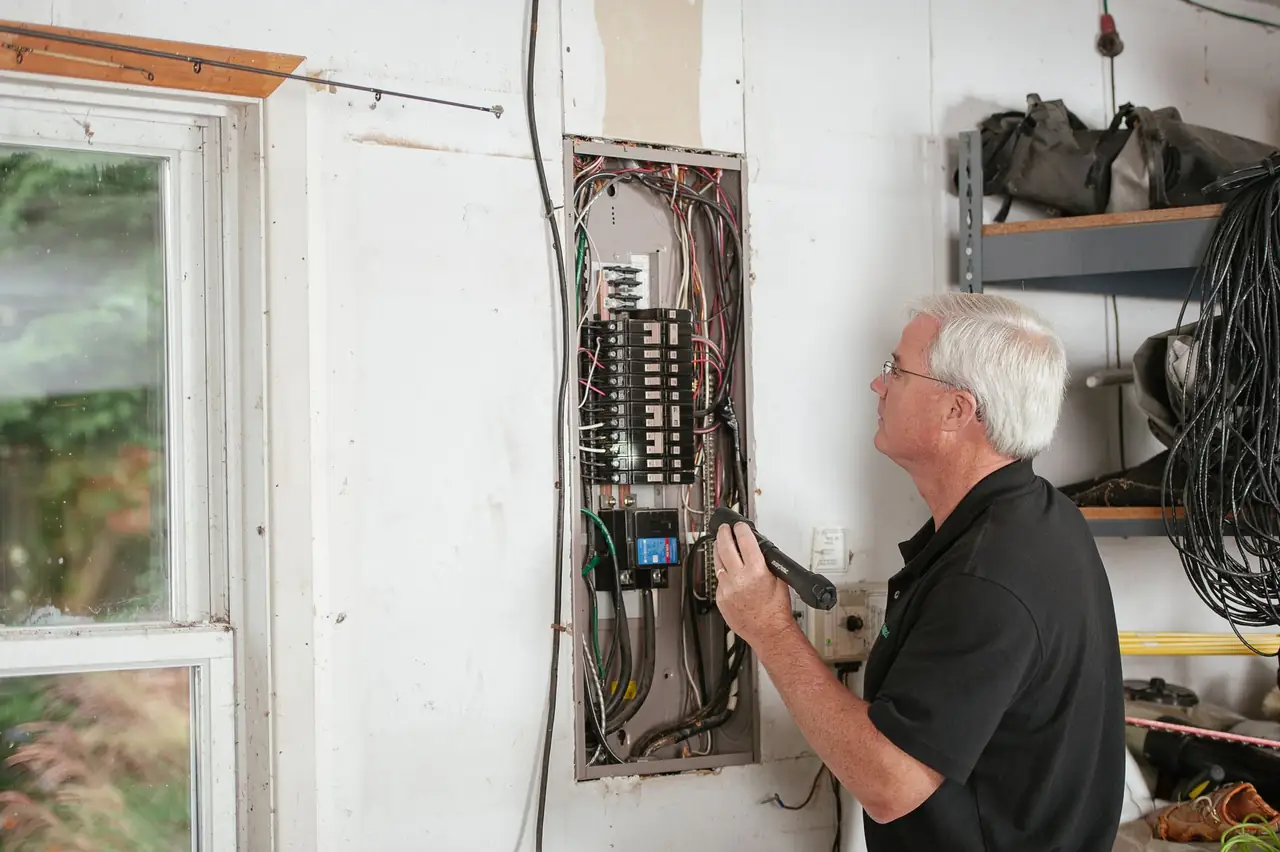
Two prong outlets are legal in Trenton, NJ, but they pose significant safety concerns. Many older homes in Trenton still use these outlets, which can lead to electrical hazards. This article discusses the legality, risks, and whether you should consider replacing these outlets in your home.
Two prong outlets in older homes in Trenton are a type of electrical outlet that lacks a grounding pin. These outlets were common in homes built before the 1960s, but they may not meet current safety standards.
Are Two Prong Outlets Legal in Trenton?
Yes, two prong outlets are legal in Trenton, NJ, but their use is discouraged. The National Electrical Code (NEC) and local building codes encourage the use of three prong outlets to ensure safety. While you may legally have two prong outlets, upgrading to three prong outlets is advisable for better protection against electrical faults.
In Trenton, the Trenton electrical code for outlets aligns with NEC guidelines, which emphasize the importance of grounding for safety. Homeowners should be aware that while existing two prong outlets can remain, any new installations must comply with updated codes.
What Are the Risks of Using Two Prong Outlets?
Using two prong outlets can expose your home to several risks. First, without a ground wire, these outlets cannot effectively redirect excess electricity, increasing the risk of electrical shock during a fault. Additionally, they may not support modern appliances that require grounding for safe operation.
- Electrical Shock: Without grounding, you are at a higher risk of electric shock.
- Fire Hazards: Overheating can occur due to improper grounding.
- Incompatibility: Many newer appliances require grounded outlets to function safely.
These safety concerns with two prong outlets in Trenton are significant, especially in homes with outdated wiring systems. Regular electrical inspections can help identify potential hazards.
Should I Replace My Two Prong Outlets?
Yes, you should consider replacing two prong outlets in Trenton. Upgrading to three prong outlets enhances safety and compatibility with modern devices. The cost of replacing outlets can vary, with typical 2026 pricing ranging from $100 to $200 per outlet, depending on the complexity of the installation.
Replacing these outlets not only improves safety but can also enhance your home's value. Many prospective buyers look for updated electrical systems, making it a worthwhile investment.
How Can I Upgrade Two Prong Outlets in My Trenton Home?
Upgrading two prong outlets in your Trenton home involves several steps. First, consult a licensed electrician to assess your current wiring. They will determine if your system can accommodate three prong outlets without major rewiring.
Once the assessment is complete, the electrician will:
- Replace the existing two prong outlets with three prong outlets.
- Ensure proper grounding is established, which may involve running a ground wire.
- Test the new outlets for safety and functionality.
For affordable outlet replacement services in Trenton, reach out to local experts who can ensure the work meets all safety standards.
What Electrical Codes Apply to Outlets in Trenton?
In Trenton, the electrical codes follow the National Electrical Code (NEC) guidelines. These codes dictate the installation and maintenance requirements for electrical systems, including outlets. Key points include:
- All new installations must include grounding.
- Outlets in kitchens and bathrooms must be GFCI (Ground Fault Circuit Interrupter) protected.
- Outlets must be installed at a height of 15-48 inches from the floor.
Understanding these codes can help homeowners comply with regulations and enhance safety in their homes.
Common Mistakes with Two Prong Outlets
Homeowners often make several common mistakes regarding two prong outlets:
- Assuming they are safe without grounding.
- Using adapters to convert two prong to three prong without addressing grounding.
- Neglecting regular electrical inspections to identify outdated wiring.
Avoiding these mistakes can significantly reduce safety risks in your home.
When to Call a Professional
Call a professional electrician when you notice issues with your two prong outlets. Signs include frequent tripping of circuit breakers, flickering lights, or burning smells. These can indicate underlying electrical problems that require expert attention. Trenton Electric Pros can provide comprehensive electrical inspections and upgrades to ensure your home is safe and compliant.
Frequently Asked Questions
Are two prong outlets legal in Trenton? Yes, but they are discouraged due to safety concerns.
What are the risks of using two prong outlets in older homes in Trenton? Risks include electrical shock and fire hazards due to lack of grounding.
Should I replace my two prong outlets in Trenton? Yes, upgrading to three prong outlets is highly recommended for safety.
How can I upgrade two prong outlets in my Trenton home? Consult a licensed electrician for assessment and installation of new outlets.
What electrical codes apply to outlets in Trenton? Outlets must comply with NEC guidelines, including grounding requirements.