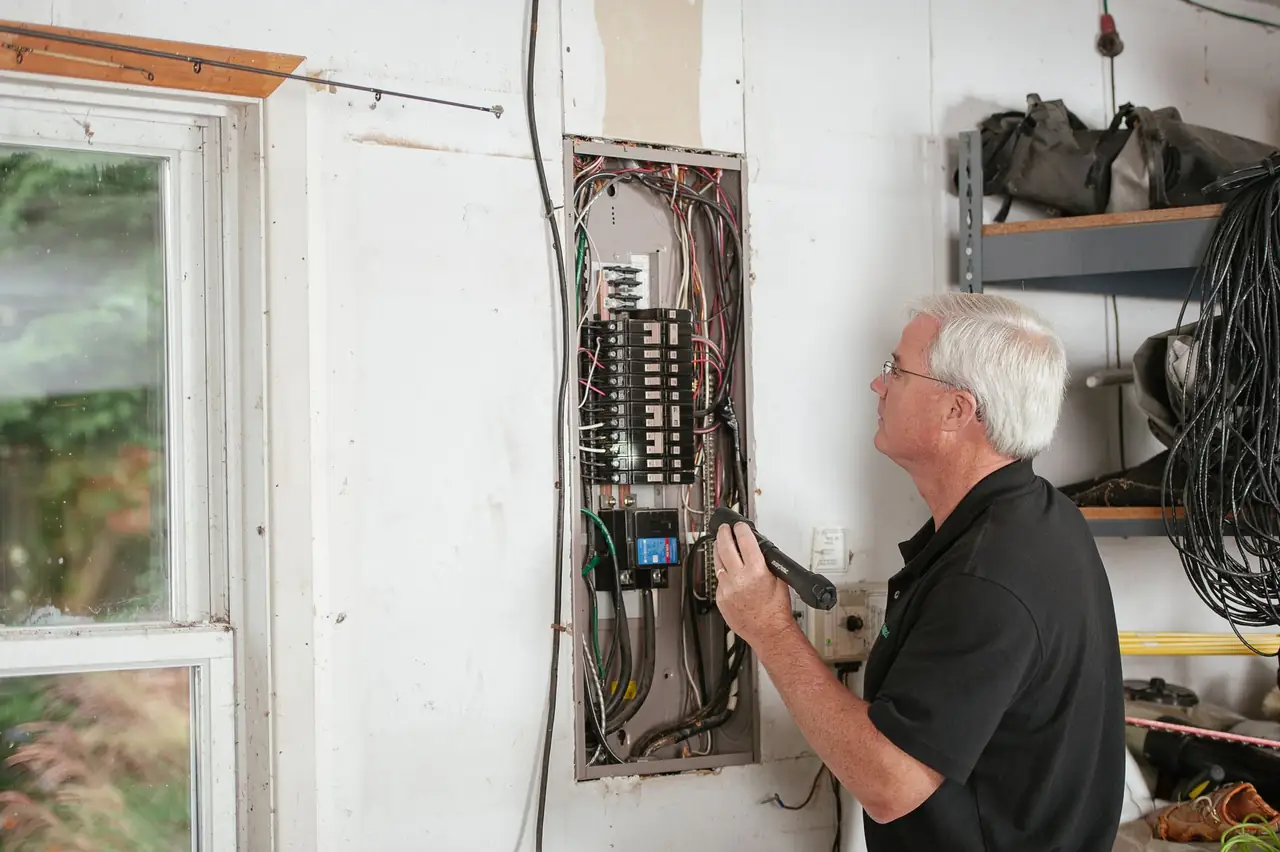
Electrical Warning Signs in Older Trenton Homes You Should Never Ignore
Identifying electrical warning signs in older Trenton homes is crucial for safety. Learn what to look for and when to call a professional.
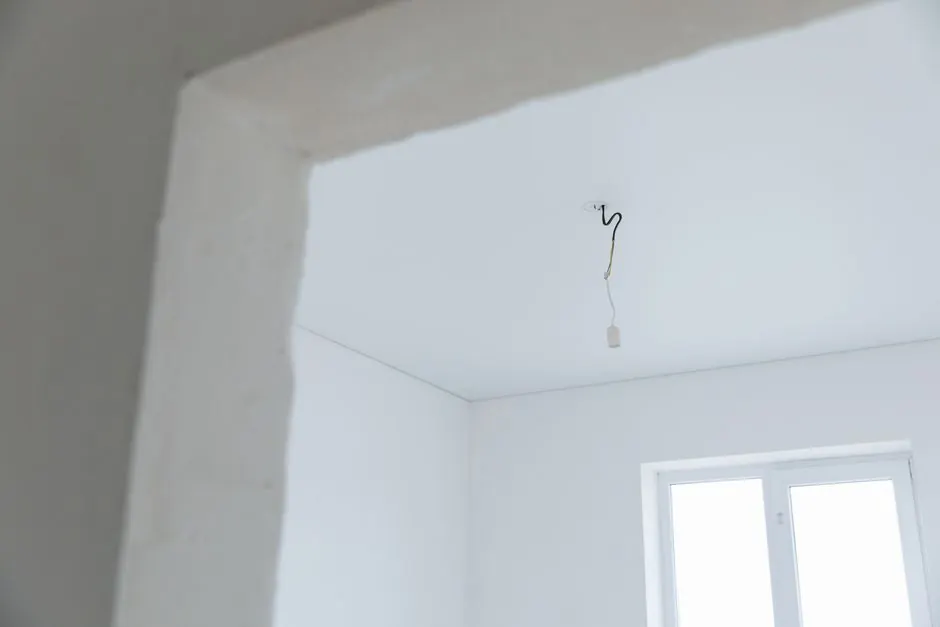
Electrical warning signs in older Trenton homes can indicate serious safety issues that require immediate attention. Recognizing these signs can prevent electrical hazards and costly repairs. This article will explore common warning signs, how to identify them, and when to seek professional help.
Electrical warning signs in older Trenton homes are indicators that the electrical system may be malfunctioning or unsafe. Many homes in Trenton, particularly those built before the 1980s, may have outdated wiring, insufficient grounding, or other issues that pose risks to residents.
What are Electrical Warning Signs in Older Homes in Trenton?
Electrical warning signs in older homes in Trenton include flickering lights, frequent circuit breaker trips, and unusual odors. Each of these signs can signal underlying problems that need immediate investigation. For example, flickering lights often indicate loose wiring or overloaded circuits.
Common Electrical Issues in Older Homes in Trenton
Older homes in Trenton frequently face several common electrical issues, including:
- Outdated wiring: Many older homes have knob-and-tube wiring or aluminum wiring, both of which are less safe than modern copper wiring.
- Insufficient outlets: Homes built decades ago often lack enough outlets to accommodate modern appliances and devices, leading to overuse of extension cords.
- Overloaded circuits: Older electrical systems may not handle the power demands of today's technology, causing circuit breakers to trip frequently.
- Inadequate grounding: Many older homes lack proper grounding, which increases the risk of electrical shock.
Understanding these issues is essential for maintaining safety and efficiency in older homes. If you suspect any of these problems, consider scheduling an electrical inspection in Trenton to assess your home's wiring and systems.
How to Identify Electrical Warning Signs in Trenton
To identify electrical warning signs in Trenton, homeowners should look for specific symptoms:
- Flickering or dimming lights: This can indicate a loose connection or overloaded circuit.
- Burning smells: A burning odor near outlets or switches is a serious warning sign of overheating wires.
- Buzzing sounds: Unusual noises from outlets or switches may indicate faulty wiring.
- Warm outlets or switches: If you notice warmth when touching outlets or switches, this could signal a serious issue.
Recognizing these signs early can prevent more significant problems and ensure the safety of your home. If you encounter any of these issues, it's crucial to contact a qualified residential electrician in Trenton for assistance.
What to Watch for in Older Home Wiring in Trenton
When inspecting older home wiring in Trenton, pay attention to:
- Wire insulation: Check for frayed or cracked insulation, which can expose wires and create fire hazards.
- Connection points: Inspect junction boxes and connections for signs of corrosion or loose wires.
- Fuse boxes: Many older homes still use fuse boxes instead of modern circuit breakers, which can be less safe and harder to maintain.
Being vigilant about these factors can significantly reduce the risk of electrical fires and other dangers. Regular inspections can help maintain the integrity of your home's electrical system.
Trenton NJ Electrical Safety Tips for Old Homes
To enhance electrical safety in older homes in Trenton, consider the following tips:
- Schedule regular inspections: Having a professional evaluate your electrical system can identify potential hazards.
- Upgrade outdated systems: Consider upgrading to modern wiring and circuit breakers for improved safety and efficiency.
- Limit extension cord use: Use power strips with surge protection instead of relying on extension cords.
- Install GFCI outlets: Ground Fault Circuit Interrupter (GFCI) outlets should be installed in areas prone to moisture, such as kitchens and bathrooms.
Implementing these safety measures can help protect your home and family from electrical hazards.
When to Call a Professional
It's essential to call a professional when you notice any electrical warning signs in your older home. If you experience frequent outages, burning smells, or see exposed wiring, do not attempt to fix these issues yourself. Contact a qualified electrician to assess the situation and make necessary repairs. Trenton Electric Pros specializes in addressing electrical problems in older homes, ensuring safety and compliance with current codes.
Frequently Asked Questions
What are the common electrical warning signs in older homes in Trenton? Common signs include flickering lights, frequent circuit breaker trips, burning smells, and warm outlets.
How can I tell if my older home has electrical issues in Trenton? Look for flickering lights, unusual sounds, and burning odors, which indicate potential problems.
What should I do if I notice electrical problems in my older home in Trenton? Contact a qualified electrician immediately to assess and address the issues safely.
Are there specialized electricians for older homes in Trenton? Yes, many electricians specialize in older homes, ensuring compliance with safety standards and local codes.
What are the safety risks associated with old electrical systems in Trenton? Risks include electrical fires, shocks, and equipment damage due to outdated wiring and insufficient grounding.
Get help with Electrician in Trenton
If you suspect electrical warning signs in your older Trenton home, don't hesitate to seek professional help. Contact us at Trenton Electric Pros for a thorough inspection and reliable service.
Call us today at 877-847-6084 to schedule your appointment.